This blog explores the rhythm of Japan’s calendar through its cherished traditions. From spring blooms to winter solstice, we share insights into Japanese customs that have shaped daily life for centuries. Join us to understand how culture breathes through each passing season.
We create thoughtful blog content centered on Japanese customs and their annual rhythm. Every article examines one seasonal festival or milestone—such as New Year cleansing rituals or Obon lantern floating—and describes how communities prepare, celebrate, and reflect. Our writing avoids shallow lists; instead, we focus on the emotional and historical layers behind each practice. By reading us, you gain a map of Japan’s festive year that you can observe or simply appreciate from afar.
Our team gathers information from regional folklore, public cultural records, and conversations with local practitioners. We do not sell products or push commercial experiences. Instead, we highlight how traditions adapt to modern life while preserving their essence. Whether you are curious about celebrations in snowy villages or coastal towns, we offer respectful, research-informed perspectives. This blog is a quiet archive of culture in motion, season after season.
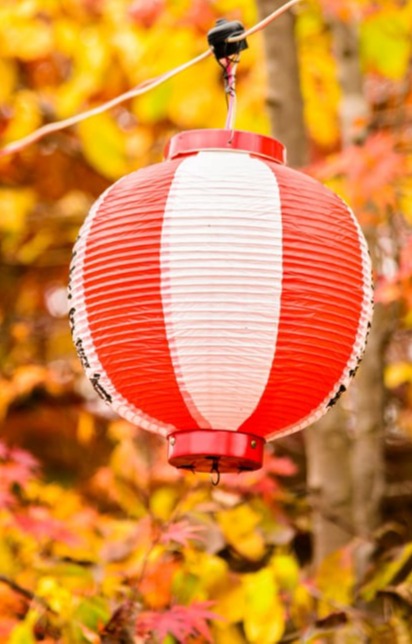
Obon is a mid-August seasonal festival honoring ancestral spirits. We describe how communities hang lanterns to guide souls home and later send them off with floating lights. The article explores regional differences in Obon dances and grave-visiting traditions. You will understand why Obon is considered a family reunion across Japanese customs. No commercial grave goods or services are mentioned—only folk practices.
Urban life reshapes many Japanese customs, but seasonal festivals endure in adapted forms. This article looks at compact Obon altars in apartments and shared New Year decoration workshops in office buildings. We interview city dwellers who keep celebrations alive with minimal space and time. The piece celebrates how culture bends without breaking. It offers inspiration for anyone wanting to honor traditions in non-traditional settings.
New Year in Japan includes eating a thin rice porridge with seven wild herbs. This article explains the healing symbolism behind each plant. You will learn how this quiet tradition cleanses the body after festive days. Many families still follow this Japanese custom on January 7th. The post also includes simple ways to recreate the dish outside Japan.
Many Japanese customs revolve around eating specific dishes during seasonal festivals. This post covers New Year rice cakes, Obon vegetable offerings, and autumn moon-viewing dumplings. Each food carries a story about harvest, health, or remembrance. We also note how celebrations change their menus based on local ingredients. The article is a gentle guide to culture through everyday cooking.
01
Explore how New Year, Obon, and other seasonal festivals connect to nature and community. Each post explains the origins and meaning of celebrations without oversimplifying.
02
Learn respectful approaches to Japanese customs like preparing small altars or seasonal foods. These guides help you appreciate culture through mindful, low-effort actions.
03
We track New Year rituals, Obon observances, and other celebrations throughout the year. Receive timely reminders so you can align your curiosity with Japan’s festive flow.
04
Readers and locals contribute stories about participating in seasonal festivals and traditions. These perspectives show how culture lives differently across generations and regions.
Wa Legacy began as a small journal written by two friends who noticed how many Japanese customs were being reduced to photo opportunities. We wanted to create a space where traditions like Obon and New Year could be described with patience and accuracy. Our blog does not chase trends or viral moments. Instead, we publish seasonal essays, illustrated calendars, and reader-submitted memories of seasonal festivals. Every piece is reviewed for cultural sensitivity and factual clarity.
We are based in Tokyo but our coverage includes rural areas where celebrations follow older rhythms. None of our content promotes financial products, investments, or commercial services. We do not sell tours, tickets, or branded merchandise. Our only goal is to document how Japanese customs evolve while keeping their core meaning. Over time, Wa Legacy has become a small library of culture—written by curious people, for curious people.
We never repurpose content from commercial travel or lifestyle brands. Every article about New Year, Obon, or other seasonal festivals is written after consulting multiple public-domain sources and folk records. Our team does not accept sponsored posts from any companies, so our perspective on traditions remains independent.
Readers often tell us that our explanations of Japanese customs match what they observe in real communities. We openly admit when a celebration has multiple interpretations, avoiding false certainty. Most importantly, we do not promise any personal gain—only a respectful window into culture.
Not at all. Many Japanese customs for New Year—like cleaning your home, sending thoughtful notes, or eating symbolic foods—can be adapted anywhere. You do not need special products or services. Simply learning the meaning behind the actions is a meaningful start.
Not necessarily. While some Japanese customs have Shinto or Buddhist roots, many celebrations are now community events focused on gratitude, change of seasons, or local history. People of various beliefs participate without religious pressure.
Yes, significantly. A New Year ritual in northern Japan may differ from one in the southern islands. Obon dates even shift between regions. That diversity is part of culture’s richness. We always note regional differences in our articles about seasonal festivals.
Obon is widely considered the most family-focused celebration because it centers on ancestral remembrance and reunions. During Obon, many people return to their hometowns. However, New Year also involves strong family bonds through shared meals and visits.
Approach Japanese customs with curiosity and respect. Read from non-commercial sources like this blog. Avoid buying mass-produced “festival kits” that promise simplified experiences. Instead, observe, ask questions, and practice small gestures mindfully—like making a seasonal dish or learning about Obon’s meaning.
“Wa Legacy helped me understand New Year beyond the countdown. Now I notice small Japanese customs in my own life.”
Mika T.
“I finally learned what Obon truly means. The blog’s calm tone matches the traditions it describes.”
David R.
“Every article about seasonal festivals feels like a letter from a thoughtful friend. No ads, no noise.”
Yuki S.
Wa Legacy exists to document Japanese customs as living practices, not museum pieces. We believe that traditions like New Year purification or Obon lantern floating carry quiet wisdom about impermanence, respect, and community. Our mission is to share these seasonal festivals without alteration, exaggeration, or commercial overlay. We write for readers who want to learn at their own pace, whether they live in Japan or across the ocean. Each post is an invitation—not to purchase, but to pause and reflect.
We also aim to preserve the diversity within celebrations by highlighting local variations often ignored by mainstream media. Culture thrives when we acknowledge that no single practice represents all of Japan. By focusing on traditions as they are actually observed, we build a more honest archive. Our team measures success not by reach or revenue, but by the depth of understanding we help create. That is the quiet mission behind every seasonal festival we describe.